El Museo de Zamboanga is a historical museum envisioned as a premier institution encouraging discovery to promote better understanding of the local culture and history, expanding knowledge through research, linking the community by way of collections, and engaging the public through exhibitions.

A city museum preserving, researching, and sharing the history, culture, heritage, and archaeology of Cagayan de Oro.
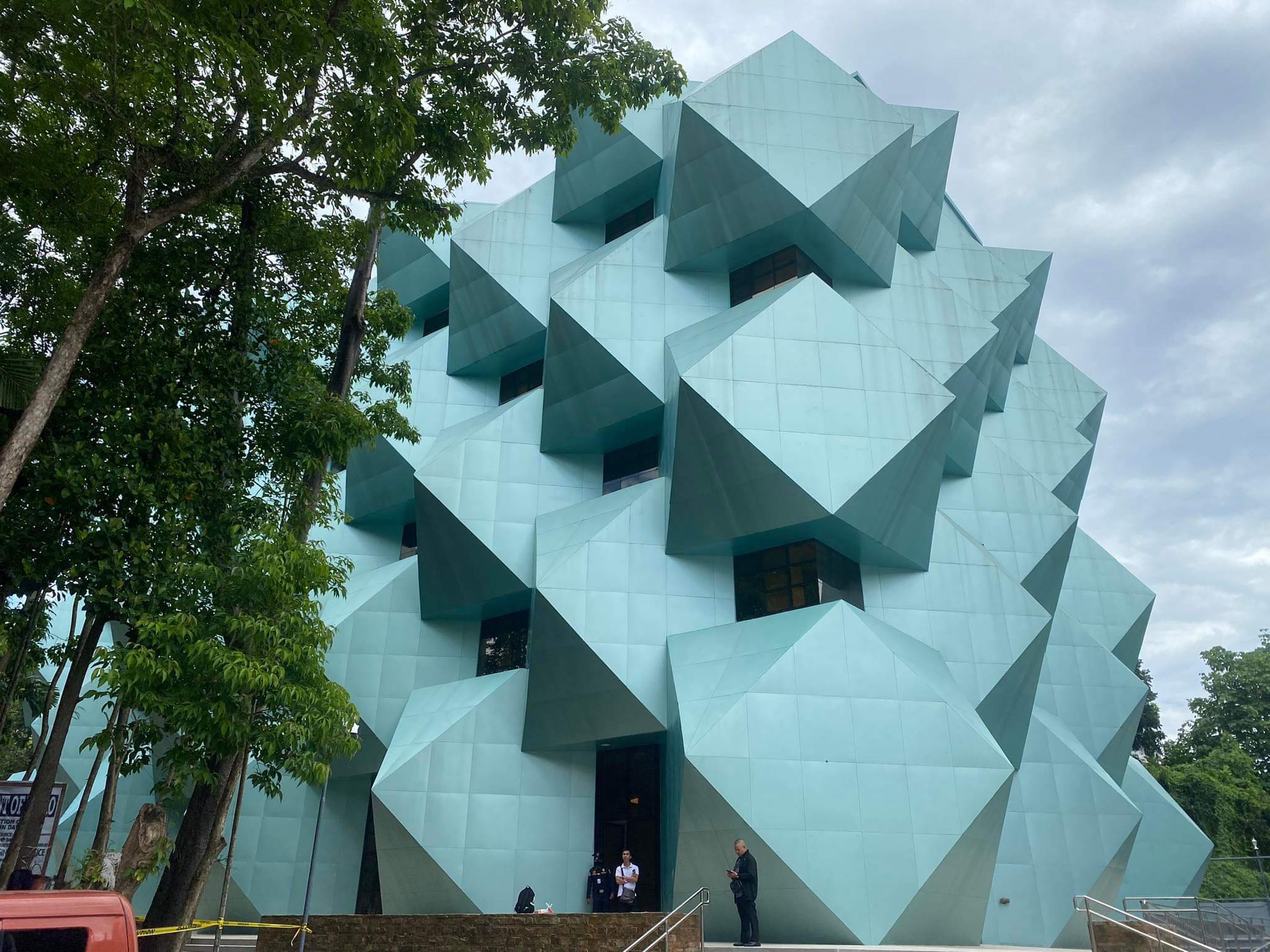
The National Museum of the Philippines-Davao, also known as the NMP-Davao, is the 17th regional component museum of the National Museum of the Philippines and the 4th regional museum in Mindanao (after Butuan, Zamboanga, and Sulu).

A museum that preserves and celebrates the rich trading history and cultural heritage of Sulu.

A repository of artifacts, art works, and documents relevant to the cultural and historical memory of the people within the Bangsamoro Autonomous Region in Muslim Mindanao (BARMM).

Bayay Surigaonon stands as a museum of social history and a living repository of the tangible heritage of Surigao del Norte.

The Bicol Guerilla Museum honors the bravery of Bicolano fighters during WWII through rare artifacts, photos, and memorabilia. It preserves the region’s legacy of resistance and educate visitors on the local fight for freedom and national pride.

A regional repository of biodiversity collections supporting research, education, and conservation in Eastern Visayas.

This museum honors the rich heritage and harmony of Northern Mindanao’s tri-people: Indigenous groups, Lowland Migrants, and the Maranao.

The National Museum of the Philippines - Cebu features exhibitions that capture the Cebuano spirit and heritage, including the island’s rich and diverse biodiversity, geology, archaeological treasures, art, and ethnographic and maritime traditions.

Casa de Segunda (also known as the Luz–Katigbak House) is one of the most important heritage houses in Lipa City, Batangas. Built in the 1860s in the traditional bahay na bato style, it was the home of Doña Segunda Solis Katigbak, widely remembered as the first love of José Rizal.

A heritage museum preserving and showcasing the rich history, culture, and traditions of the Ifugao people in the heart of Banaue." or "Your Gateway to the Cordilleras

What used to be the Provincial Jail and Courthouse since its construction in 1916, Museo Sorsogon will now be home to the history and culture of Sorsogon.

A school based museum with one of the largest collections of international folk textiles and antique wooden "santos".

The largest museum in Marikina City and the first of its kind in Asia, the museum houses an extensive collection of local, global artifacts and limited‑edition books and published materials from over 200 countries and islands.

The gateway to Intramuros, where history comes alive through immersive exhibits, visitor services, and heritage experiences.

Fort Santiago, Intramuros' historic citadel, has witnessed centuries of history and now stands as a Shrine of Freedom and heritage landmark.
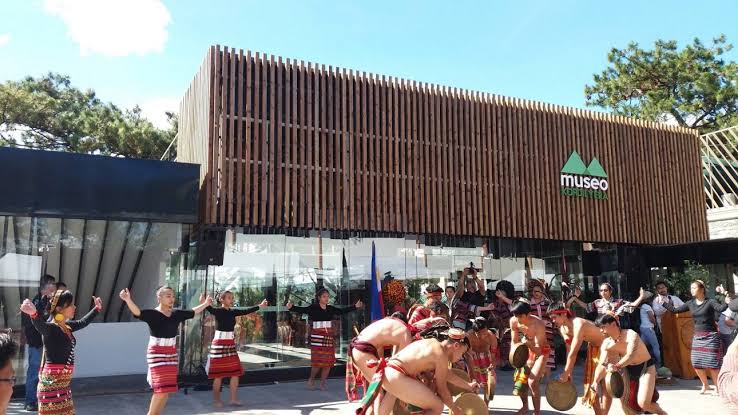
The Museo Kordilyera is the Ethnographic museum of the University of the Philippines Baguio, serving as a platform for educating the people on the rich culture, tradition and identity of the Cordilleran peoples.

A 19th-century colonial lifestyle museum
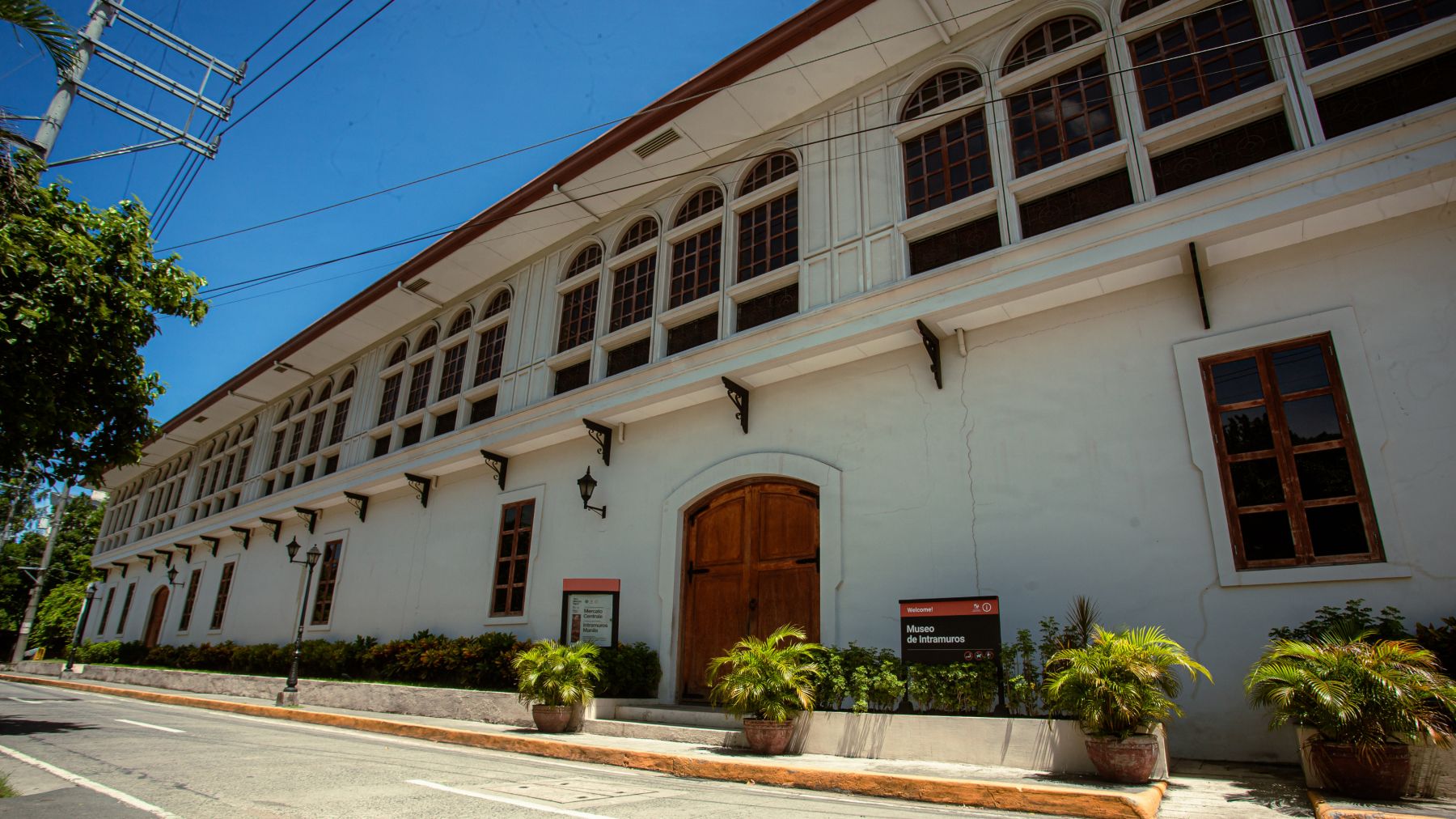
The Museo de Intramuros showcases the Intramuros Administration's extensive collection of religious art and artifacts, one of the largest state-owned collections in the Philippines.

The Santungan Ning Kulturang Kapampangan is the cultural heart of Pampanga—a living museum where the Kapampangan story is preserved, experienced, and passed on to future generations.

An art museum that celebrates creative industries with permanent exhibits on Jose Rizal, Fernando Amorsolo, and the legacy of the Yuchengco Group founder.

Museo de Oro is a folkloric, historical, and ethnological museum of Xavier University.
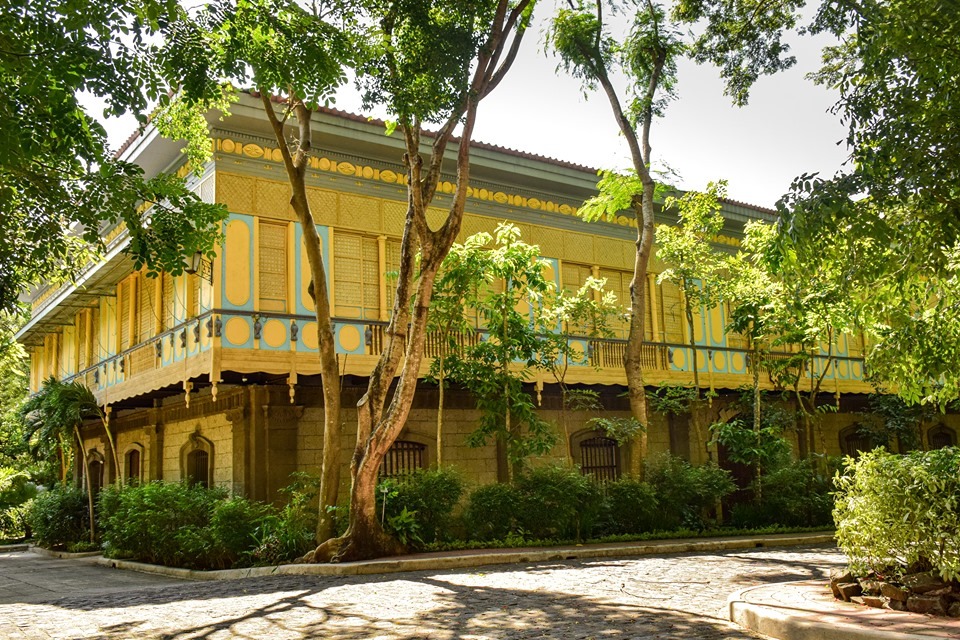
Museo De La Salle is a lifestyle museum dedicated to the preservation of certain aspects & material culture of the 19th century Philippine ilustrado lifestyle.